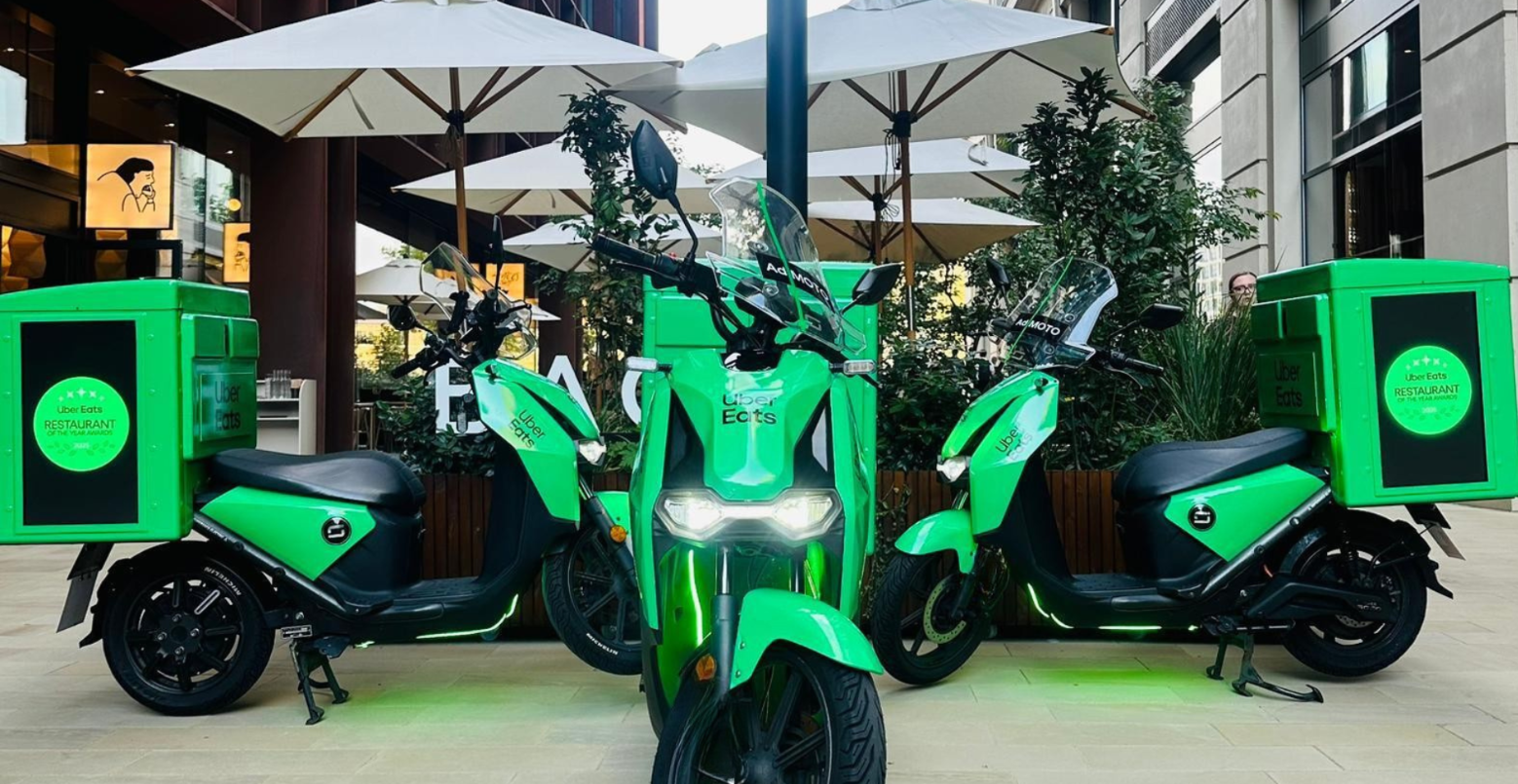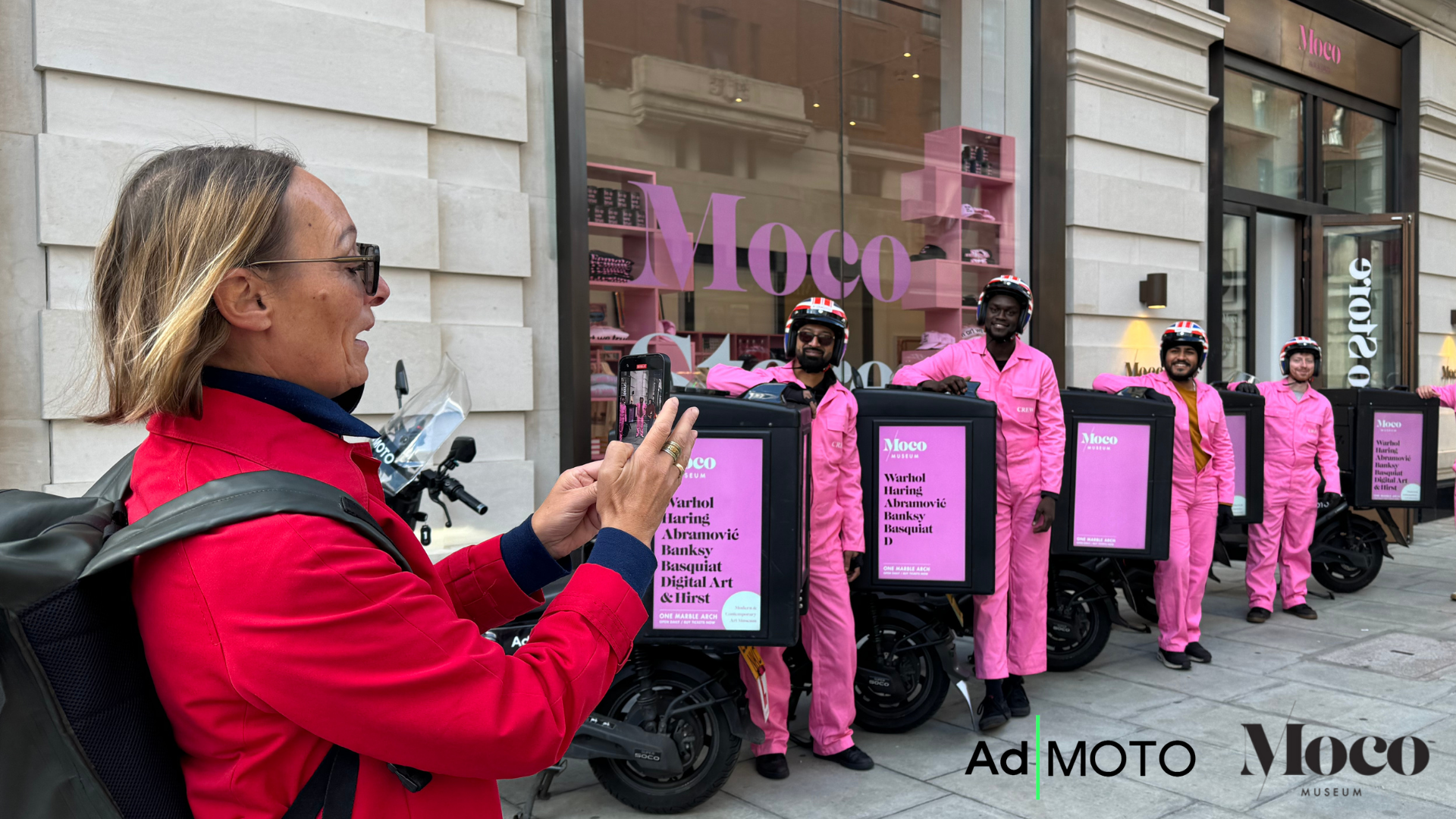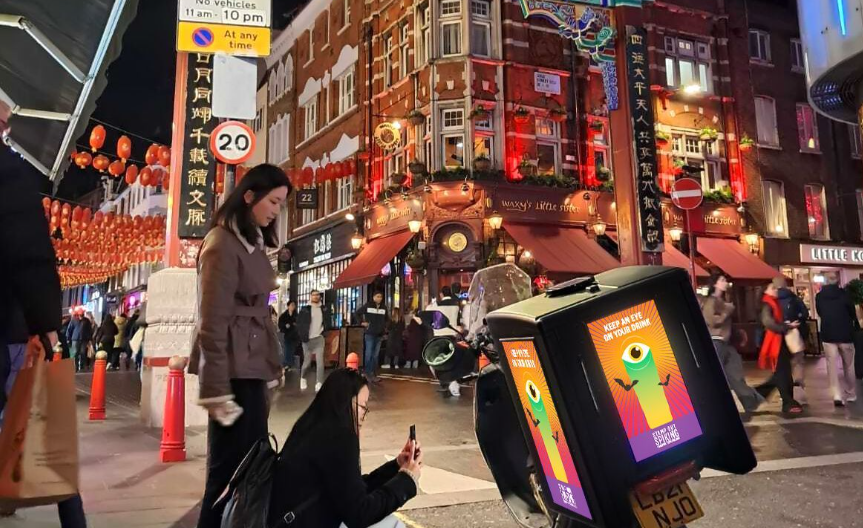

Picture a city where every street corner becomes a storytelling opportunity. Where brand presence extends beyond static placements into dynamic, contextually relevant moments. This isn’t science fiction—it’s the evolution of digital mobile out-of-home (DOOH) advertising, and it’s fundamentally reshaping how brands connect with urban audiences
The Evolution of Out-of-Home: Beyond the Billboard
Out-of-home advertising has always been synonymous with iconic moments. Silk Cut’s abstract minimalism in the 1980s. Wonderbra’s provocative “Hello Boys” that stopped traffic in the ’90s. British Airways’ emotion-triggering digital displays of the 2020s. These campaigns didn’t just occupy space, they captured imagination.

But OOH has always been much more than static displays on buildings.
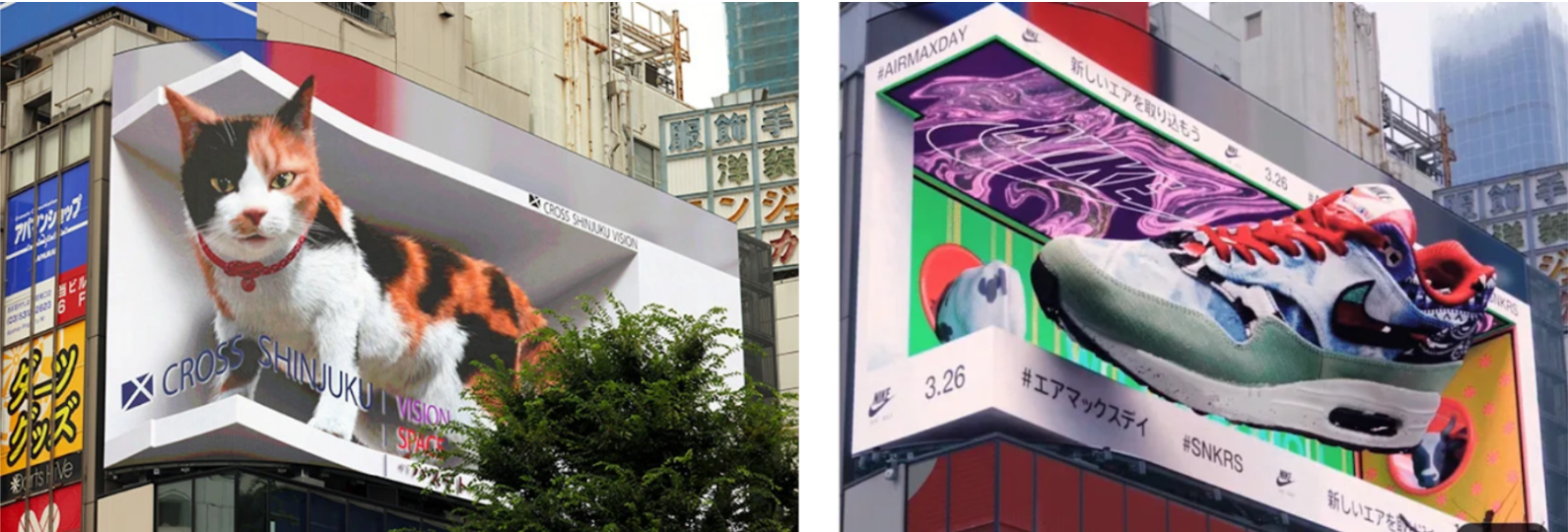
Today’s OOH landscape includes anamorphic spectacles that stop pedestrians in their tracks, pop-up shops that drive both mental and physical availability, and experiential marketing that transforms city spaces into brand environments. While these installations might seem limited in physical reach, their impact multiplies through earned media.
Take Nike. In March 2022 their digital trainer replaced the famous Shinjuku cat in Tokyo. You didn’t need to be in Japan to see it – millions worldwide shared the moment across social media. Or consider Netflix’s brilliant “accident” when promoting Narcos: a strategically damaged display case “spilling” fake currency across a busy street. The ensuing media coverage amplified the local stunt into a global conversation.
The Data Behind OOH’s Enduring Power
Why does OOH continue to thrive in our digital age? Research by Rapport and Peter Field reveals compelling data:
- Power users of OOH see a 62% uplift in brand esteem
- Fame metrics increase by 50% for brands that master OOH
- Customer acquisition – critical for brand growth – shows significant improvement
- Profit margins and market share demonstrate measurable growth
The compelling insight? OOH excels at both ends of the marketing funnel. It builds long-term brand value while driving immediate sales activation. How many marketing channels can claim that dual impact?
Filling the Urban Canvas: The Ad|MOTO Innovation
This is where the urban landscape gets interesting. Traditional OOH has natural limitations – you can’t put billboards on every corner, and bus shelters only exist at designated stops. With industry-standard 10-second slots rotating six times per minute, your ad is invisible for 50 seconds of every minute in standard DOOH – that’s 83% of potential viewing time lost.
Both geographical and temporal gaps create dark spots in urban media coverage.
Ad|MOTO’s mobile digital platform illuminates these blind spots. By deploying dynamic displays on eScooters, we activate advertising inventory in spaces traditional OOH cannot reach, turning coverage gaps into strategic opportunities.
Why This Matters:
- Streets without traditional OOH infrastructure become viable advertising spaces
- Mobile units can target high-traffic areas during peak times
- Flexible deployment allows for event-specific targeting (imagine capturing theatre crowds as they exit shows)
- Cost-effective entry point compared to taxi or bus wraps

Optimising Marketing Investment for Maximum Impact
The relationship between OOH and digital channels reveals a crucial insight about budget allocation. While digital platforms often reach diminishing returns as spend increases, OOH typically demonstrates continued growth potential across investment levels. This complementary dynamic suggests a strategic rebalancing opportunity for many brands.
The synergistic effect is measurable: OOH investment doesn’t just deliver independent value, it amplifies performance across your entire media ecosystem, particularly digital touchpoints.
Looking Forward
As urban environments evolve, the ability to reach audiences in previously unreachable spaces becomes increasingly valuable. Mobile OOH isn’t just filling gaps in coverage – it’s creating entirely new paradigms for contextual brand engagement where none existed before.
The future of outdoor advertising isn’t about choosing between traditional and mobile, static and dynamic. It’s about orchestrating a comprehensive urban media strategy that leverages the unique strengths of each format to create omnipresent brand experiences.
The urban canvas awaits. The question isn’t whether mobile OOH will reshape outdoor advertising; it’s whether your brand will lead this transformation or follow it.
What’s your take on the future of mobile OOH? Have you experienced diminishing returns on digital spending? Let’s discuss how we can reimagine urban advertising together.
—
Want to learn more about maximizing your OOH impact? Connect with us to explore how Ad|MOTO can amplify your brand presence across the urban landscape.